Lake Manyara National Park
A land of amazing landscapes, home to the elusive tree-climbing lions
Tucked beneath the steep western wall of the Great Rift Valley, Lake Manyara National Park packs an extraordinary range of landscapes and wildlife into a relatively small area. A drive through the park can take visitors from groundwater-fed forest to open grassland, acacia woodland, and the shallow, shimmering lake itself. This compact diversity makes Manyara a rewarding destination for wildlife viewing, birdwatching, and learning about Tanzania’s varied ecosystems.
Where Is Lake Manyara National Park?
The park lies in northern Tanzania, between the town of Mto wa Mbu and the Great Rift Valley escarpment. It is part of the country’s popular northern safari circuit, alongside destinations such as Tarangire National Park, Ngorongoro Conservation Area, and Serengeti National Park.
Lake Manyara National Park covers roughly 330 square kilometers (about 127 square miles), though the amount of land above water varies with the lake’s level. Lake Manyara is shallow and alkaline, and its shoreline can change significantly between wet and dry periods. The park is therefore more than a lake-view destination: its forests, woodlands, and plains are central to its ecological character.
A Landscape Shaped by Water and the Rift Valley
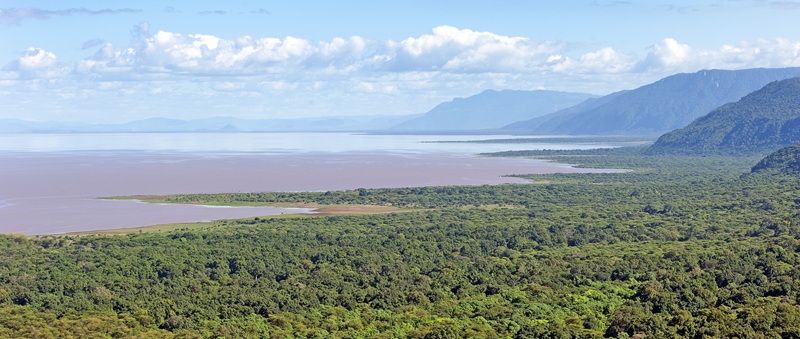
The park’s scenery reflects the dramatic geology of the Great Rift Valley. To the west, the escarpment rises steeply above the lake basin. Springs emerging from the escarpment feed lush patches of groundwater forest, even during dry spells. These forests contrast sharply with the drier woodland and grassland found elsewhere in the park.
Habitats include:
-
-
- Groundwater forest, with dense vegetation and large trees
- Acacia woodland, used by elephants, giraffes, and other browsers
- Open grassland, where grazing animals are more easily spotted
- Wetlands and lakeshore, important for waterbirds and other wildlife
- Scrub and rocky slopes, which add further variety to the park’s terrain
-
Seasonal rainfall affects water levels, vegetation, and animal movements. The wet season generally brings greener scenery and migratory birds, while the dry season can make wildlife easier to see around remaining water and open areas.
Wildlife: More Than the Famous Tree-Climbing Lions
manyara park
Tree Climbing Lions Manyara
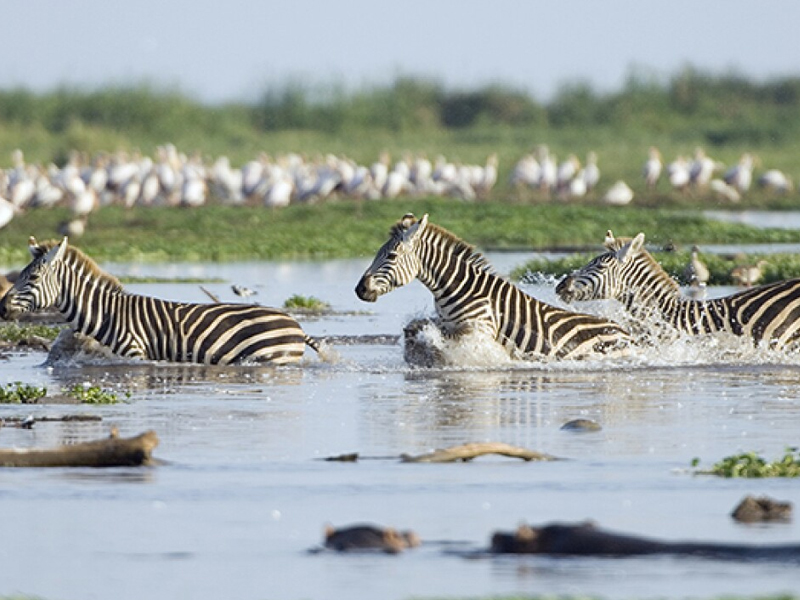
Zebraz in Lake Manyara
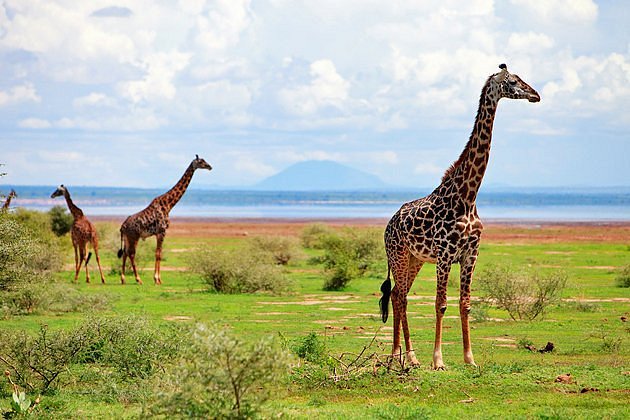
Beautiful Giraffes at Manyara
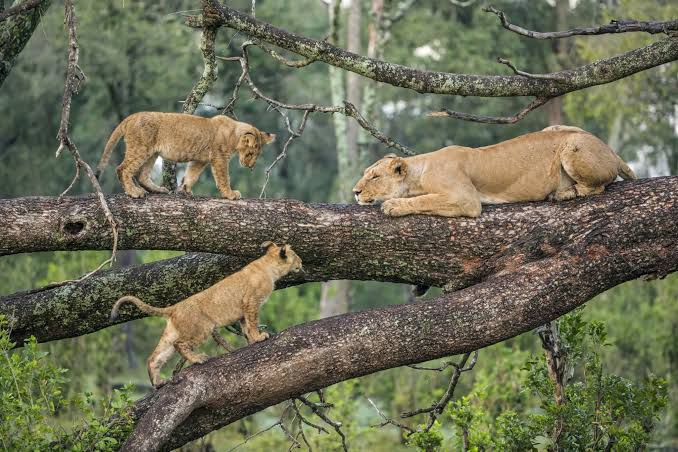
Lake Manyara is best known for lions that sometimes rest in trees. This behavior is memorable, but not guaranteed: lions may be on the ground, hidden in vegetation, or hard to spot. The park’s wider wildlife community is a better reason to take time exploring it.
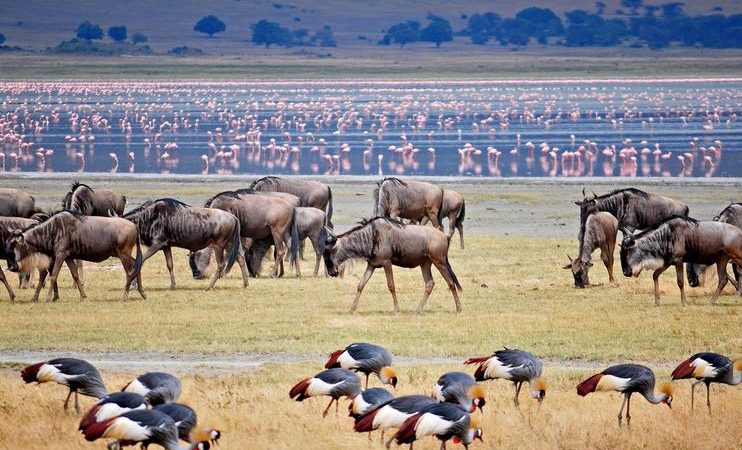
Visitors will encounter African elephants, giraffes, zebras, wildebeest, buffalo, warthogs, and several species of antelope. Baboons are especially conspicuous in the forest, where large troops may feed and move along the road. Blue monkeys and vervet monkeys are also commonly seen.
The park supports a variety of predators, including lions, leopards, and spotted hyenas, although sightings can be unpredictable. Dense vegetation often makes animals harder to spot than they are on the more open plains of some other northern parks. This is part of Manyara’s appeal: careful observation matters, and the experience is not limited to searching for large mammals.
A Destination for Birdwatching
Lake Manyara is one of northern Tanzania’s notable birding destinations. Its mix of forest, woodland, grassland, and wetland habitats attracts a wide variety of resident and migratory species. Depending on the season and water conditions, visitors may see flamingos, pelicans, storks, herons, egrets, and numerous other waterbirds along the lake.
Birdlife is not confined to the shoreline. Forest trails and woodland edges can reveal hornbills, turacos, kingfishers, and many smaller species. The variety of habitats makes the park appealing to both experienced birders and visitors who simply enjoy spotting wildlife beyond the familiar large mammals.
Flamingo numbers can vary. Their presence depends on changing lake conditions and food availability, so it is best not to plan a visit around a guaranteed mass gathering.
What to Do in the Park
Game drives
Game drives are the main way to explore Lake Manyara. The park’s road network allows visitors to pass through several habitats in one outing. A slow, attentive drive is often more rewarding than trying to cover the park quickly: monkeys, birds, and animals partially concealed by vegetation can be easy to miss.
Birdwatching
Bring binoculars if possible, and allow time to scan both the treetops and the lake. A guide can help identify species by calls, behavior, and habitat.
Walking and other activities
Walking safaris or other activities may be available in designated areas through authorized operators, subject to park rules and current conditions. Availability can change, so confirm arrangements in advance rather than assuming an activity is permitted throughout the park.
Cultural experiences nearby
The town of Mto wa Mbu, close to the park entrance, is known for its cultural diversity and local food and craft experiences. Activities outside the park can complement a wildlife visit, but should be booked with reputable local operators and planned separately from park entry.
When to Visit
Lake Manyara can be visited throughout the year, and the best timing depends on what matters most to you.
- Dry season: Often offers easier driving conditions and clearer wildlife viewing in open areas. Vegetation may be less lush, and waterbirds can be more concentrated around suitable wetlands.
- Wet season: Brings greener scenery, seasonal wildflowers, and strong opportunities for migratory birdwatching. Some roads may be more challenging, and wildlife can be harder to see in dense vegetation.
Weather and lake levels vary from year to year. For current road, access, and activity information, check with Tanzania National Parks (TANAPA) or a trusted local safari operator before traveling.
How Long to Spend There
Many travelers visit Lake Manyara on a day trip or include it as a short stop on a northern-circuit itinerary. A full day gives more time to explore the park’s different habitats and wait for wildlife activity. Travelers especially interested in birds, photography, or a relaxed pace may prefer more time, depending on their itinerary and accommodation plans.
Because the park is smaller than some neighboring reserves, it is often combined with other destinations rather than treated as a standalone safari. Its value lies in the contrast it provides: a forest-and-lake environment that feels distinct from the broad savannas of the Serengeti or the open landscapes of Tarangire.