+255(0) 784 383 262 / 754 383 262 info@jntraveltours.com
4-Day Serengeti and Ngorongoro Crater Safari

4-Day Serengeti and Ngorongoro Crater Safari

Uncategorized

For travelers with limited time in East Africa who want to see its most renowned wildlife destinations, a four-day safari to Serengeti National Park and the Ngorongoro Crater offers an efficient, comprehensive experience.
This itinerary combines the predator-rich savannahs of central Serengeti with the volcanic caldera of Ngorongoro, providing opportunities for Big Five sightings, expansive views, and memorable game drives.
Tanzania Safari Tour

Day-by-Day Itinerary

Day 1: Arusha to Central Serengeti National Park

  • Drive Time: ~5 to 6 hours
  • Highlights: Transit through Ngorongoro Highlands, afternoon game drive in Seronera
A driver-guide will collect you early in the morning in Arusha. Traveling west, the route passes through the agricultural towns of Karatu and over the rim of the Ngorongoro Crater, offering panoramic views of the highland forest.
As you descend into Serengeti National Park, the expansive short-grass plains stretch to the horizon. Arrive in the central Seronera Valley, known for its high density of big cats (lions, leopards, and cheetahs) and permanent water sources, then enjoy an afternoon game drive focused on tracking predators near the riverbeds before checking into the lodge or tented camp.
  • Overnight: Serengeti Lodge or Central Tented Camp

Day 2: Full Day in Serengeti National Park

  • Highlights: Dawn game drive, tracking big cats, Wildebeest Migration (seasonal)
Dedicate a full day to exploring the Serengeti’s diverse micro-ecosystems. Early-morning game drives at first light offer the best chance to see lions returning from nocturnal hunts, leopards resting in sausage trees, and cheetahs surveying the plains from termite mounds.
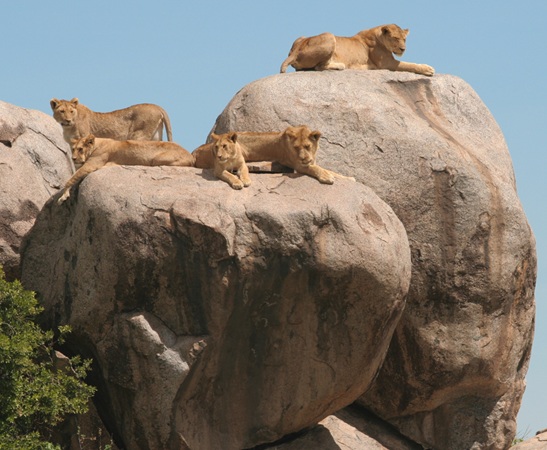
Enjoy a picnic lunch under an acacia tree. In the afternoon, explore rock formations (kopjes) frequented by lion prides. Depending on the season, the guide may also track the Great Wildebeest Migration.
  • Overnight: Serengeti Lodge or Central Tented Camp

Day 3: Serengeti $\rightarrow$ Ngorongoro Conservation Area

  • Drive Time: ~3 hours
  • Highlights: Final morning drive in Serengeti, transit through Olduvai area, sunset over crater rim
The day begins with a final sunrise game drive in the Serengeti, then returns to the Ngorongoro Conservation Area.
During the drive, game viewing continues as you pass through Maasai pastoralist lands. As you ascend into the highlands, cooler temperatures prevail. Accommodation is provided either on the rim of the Ngorongoro Crater or in nearby Karatu town, both offering expansive views over the volcanic basin.
  • Overnight: Ngorongoro Crater Rim Lodge / Karatu Lodge

Day 4: Ngorongoro Crater Floor $\rightarrow$ Return to Arusha

  • Drive Time: ~3.5 to 4 hours (Crater to Arusha)
  • Highlights: Big Five tracking on the caldera floor, picnic near hippo pool
An early-morning descent of 600 meters down steep dirt tracks leads to the floor of the Ngorongoro Crater. This self-contained natural enclosure supports over 30,000 animals, making it one of the most accessible locations in East Africa for observing the Big Five in a single morning:
  • Black Rhino: The crater’s protected floor is one of the few places to spot these endangered giants.
  • Lions & Hyenas: Highly visible across the short-grass caldera floor.
  • Flamingos & Hippos: Lake Magadi inside the crater attracts large flocks of pink flamingos and lounging hippos in the freshwater pools.
After a picnic lunch near the hippo pool, the itinerary ends with a drive back up the crater walls to Arusha or Kilimanjaro Airport for onward travel.

Tour Includes

  • All Taxes and VAT.
  • Park Fees (for Non-Residents).
  • A professional English speaking driver/ guide.
  • 4x4 Land Cruiser.
  • Daily game drives while on Safari.
  • Meals as per itinerary.
  • Drinking water while on safari (2 liters per person per day).
  • Concession/ Camping Fees.

Exclusions

  • Government-imposed increase in taxes and/or park fees.
  • International flights.
  • Airport Transfers (Unless mentioned otherwise).
  • Personal Items (Souvenirs, Travel Insurance, Visa Fees, etc.).
  • Any activities not mentioned in the itinerary.
  • Additional accommodation before and at the end of the tour (Unless mentioned otherwise).
  • Tips (Tipping guidelines).
5 Day Safari in Northern Tanzania

5 Day Safari in Northern Tanzania

5 Day Safari in Northern Tanzania

A 5-day safari in Northern Tanzania takes you right into the heart of East Africa’s wild landscapes. This trip packs wildlife experiences and visits four famous ecosystems, each offering something special from African nature.
You’ll start in Tarangire National Park, known for its huge baobab trees and large elephant herds. Next, you'll visit Lake Manyara, where you’ll find green forests filled with birds. Then you’ll head to the wide-open plains of Serengeti National Park, famous for big cats and the Great Migration. The trip ends at Ngorongoro Crater, a massive ancient volcano with some of Africa’s most concentrated wildlife and a great chance to see the Big Five.
Whether you want to spot top predators, see ancient landscapes, or just enjoy amazing views, this 5-day safari through northern Tanzania offers a memorable adventure in some of East Africa’s best-known places.
Northern Tanzania Safari

Northern Tanzania Safari Itinerary

Day 1: Tarangire National Park

After breakfast, your safari driver will pick you up from your hotel and take you to Tarangire National Park to view wildlife. The drive from Moshi, the airport, or Arusha to the park takes about two hours and is quite relaxing.
The park is filled with ancient giant baobab trees, often called the 'Tree of Life,' which cover much of the landscape. After a full day of game drives, you will head to your hotel or lodge in Tarangire, Manyara, or Karatu for dinner and an overnight stay.

Day 2: Serengeti National Park

After an early breakfast, we will travel to Serengeti National Park through the Ngorongoro Conservation Area. Along the way, we will stop at scenic spots for photos and to enjoy the classic Tanzanian safari experience. After wildlife viewing in Serengeti, you will go to your lodge for dinner and an overnight stay.

Day 3: Full-day game viewing in Serengeti.

You will spend the whole day watching animals in different parts of the Serengeti. The park is especially famous for the wildebeest migration and its many large animals, such as lions, buffalo, hyenas, antelopes, and more.
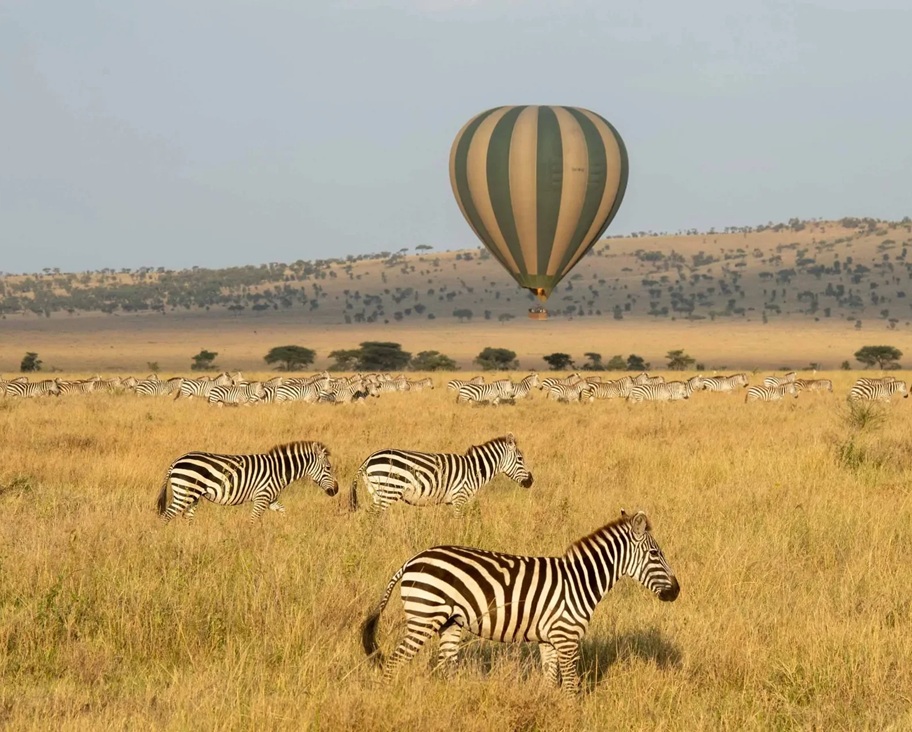
During the short rainy season, over a million wildebeest and hundreds of zebras graze as they move from the northern hills to the southern plains.

Day 4: Morning Game drive in Serengeti Park - Drive to Ngorongoro

After an early breakfast at your lodge or camp, continue game viewing as you drive to the Ngorongoro Crater for more wildlife spotting. Along the way, you will also experience traditional Maasai life.
The crater is home to many animals, including lions, zebras, elephants, and other resident species. It is also a great place to see the rare black rhino. You will have dinner and spend the night in either Karatu or Manyara.

Day 5: Manyara National Park

Your 5-day Tanzania safari starts with an early breakfast. You will visit Lake Manyara National Park for wildlife viewing, with the option to visit the nearby village of Mto wa Mbu (the mosquito river) for a cultural experience. The park is famous for its tree-climbing lions and thousands of flamingos. After the return flight, thereafter, you will be transferred to the airport on time or to your arranged hotel in Arusha/Moshi, marking the end of your 5-day safari in Tanzania.

Tour Includes

  • All Taxes and VAT.
  • Park Fees (for Non-Residents).
  • A professional English speaking driver/ guide.
  • 4x4 Land Cruiser.
  • Daily game drives while on Safari.
  • Meals as per itinerary.
  • Drinking water while on safari (2 liters per person per day).
  • Concession/ Camping Fees.

Exclusions

  • Government-imposed increase in taxes and/or park fees.
  • International flights.
  • Airport Transfers (Unless mentioned otherwise).
  • Personal Items (Souvenirs, Travel Insurance, Visa Fees, etc.).
  • Any activities not mentioned in the itinerary.
  • Additional accommodation before and at the end of the tour (Unless mentioned otherwise).
  • Tips (Tipping guidelines).

4-Day Tarangire, Serengeti and Ngorongoro Crater Safari

4-Day Tarangire, Serengeti and Ngorongoro Crater Safari

4-Day Tarangire, Serengeti and Ngorongoro Crater Safari

Experience the Best of Tanzania on a 4-Day Wildlife Safari

A 4-day safari covering Tarangire National Park, Serengeti National Park, and the Ngorongoro Crater is an action-packed, incredible way to experience northern Tanzania’s highlights in a short time. 
Because these parks are spread out, a 4-day itinerary requires a lot of driving, but it rewards you with three distinct landscapes and ecosystems.
Tarangire Safari Tanzania

Tour Itinerary

Day 1: Tarangire National Park.

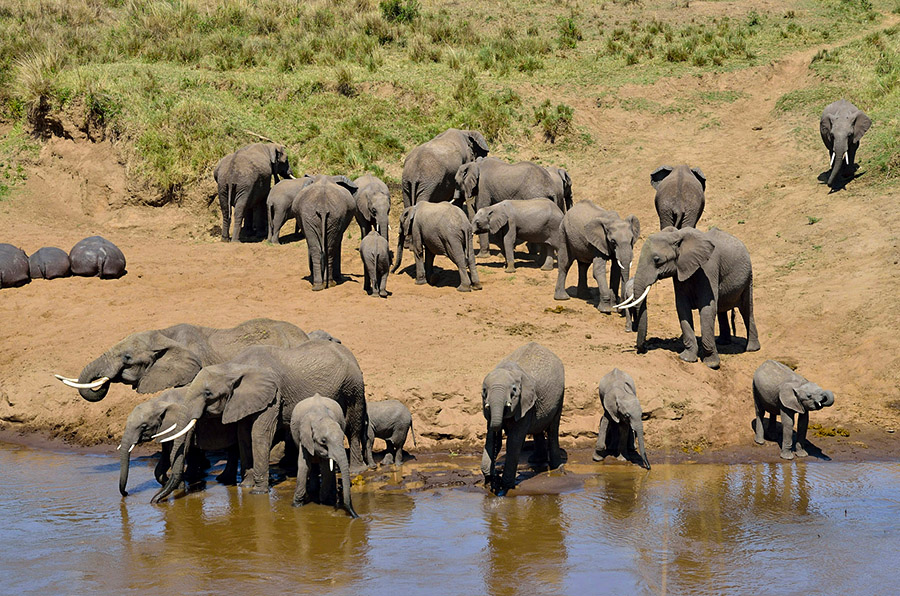
Pick-up from Arusha Airport (ARK) or Kilimanjaro International Airport (JRO), then head straight to Tarangire National Park for a full day of game drives. Tarangire is famous for having the world’s largest concentration of elephants, which you can spot among its impressive baobab trees, some believed to be centuries old. The park is named after the Tarangire River, the only water source for animals during the dry season, which attracts a wide variety of wildlife. As we follow the river circuits, we’ll have many chances to see animals gathering along the banks. After a day of exploring, we’ll head to our lodge or campsite for a hot meal and a good night’s rest, surrounded by the sounds of the wild.
Meals included: Lunch and Dinner.

Day 2: Serengeti National Park.

Today, we’ll travel to the vast plains of the Serengeti, passing through the Ngorongoro Conservation Area. The Serengeti is home to millions of animals, including wildebeests, zebras, gazelles, over 4,000 lions, 1,000 leopards, cheetahs, and many others. This park is world-famous for its incredible wildlife and unique ecosystem. We’ll have the chance to experience its wonders and see nature at its most impressive. After completing the entry formalities at the Serengeti gates, we’ll start our game drive. With our picnic safari lunch boxes packed, we’ll keep exploring until late evening, then head to our lodge for a hot meal and some rest. Meals included: Breakfast, Lunch and Dinner.

Day 3: Serengeti National Park.

Start your day with a Serengeti sunrise, then spend time in central Serengeti exploring its rich ecosystem and observing animals in their natural habitats. Central Serengeti is ideal for game viewing year-round because food and water are always available, attracting plenty of wildlife. In the evening, we may return to our previous lodge or, depending on the season, head into the Ngorongoro Conservation Area for a game drive around Ndutu before spending the night at our lodge on the crater rim.
Meals included: Breakfast, Lunch and Dinner.

Day 4: Ngorongoro Crater.

After an early breakfast at your lodge, you will end your safari by entering the Ngorongoro Conservation Area and going down into the crater for a day of game viewing. The crater, called the 8th wonder of the world and a UNESCO World Heritage Site, is home to over 30,000 animals, including all of Africa’s Big Five and the endangered black rhino. You can also visit a Maasai Boma (village) to see how this unique community lives. After a day full of wildlife, you’ll leave the crater and head back to your drop-off point in Arusoshi or to the airport for your flight home. Meals included: the drop-off and Lunch

Cost Includes

Airport transfers (pick-up and drop-off as indicated in the itinerary)
All activities, unless labeled as optional
Professional guide/driver
All Park fees (as per the itinerary)
Crater service fees (as per the itinerary)
All government taxes (as per the itinerary)
All accommodations (as per the itinerary)
Meals (as per the itinerary)
Mineral water (unlimited)
Unlimited game drive mileage
AMREF Flying Doctors insurance (evacuation to the nearest hospital)
24/7 support from our ground team throughout your package

Excludes

Tips for guides or other services (highly recommended)
International flights
Travel and medical insurance
Visa fees
Personal items and equipment (such as climbing gear)
Services not mentioned in the itinerary
Any activities marked as optional

8-Day Kilimanjaro Climb via the Machame Route

8-Day Kilimanjaro Climb via the Machame Route

Uncategorized

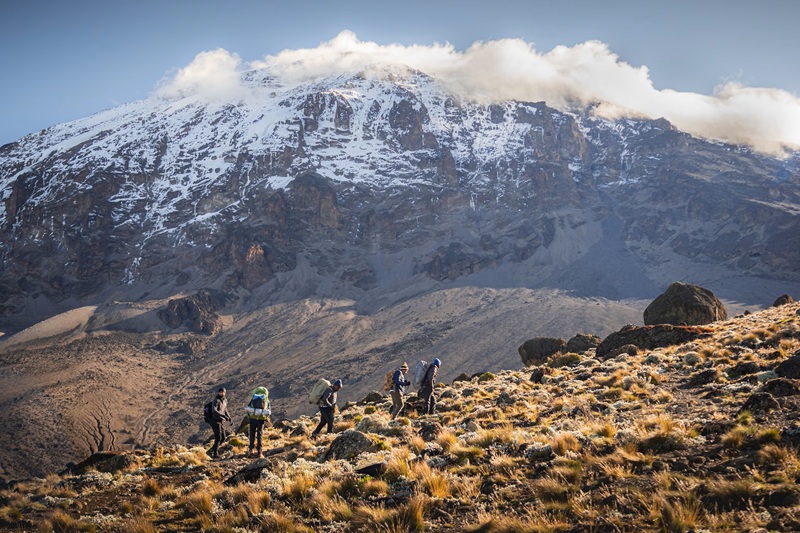
Mount Kilimanjaro stands at 5,895 meters (19,341 feet), making it Africa’s tallest mountain and one of the most accessible high-altitude treks. You do not need special climbing skills to reach the top, but the altitude makes it a real physical test. An eight-day trip on the Machame Route gives you an extra day to adjust to the altitude, which helps you prepare before attempting the summit.
The Machame Route is popular for its changing scenery and beautiful camps along Kilimanjaro’s southern side. Here is what you can expect on an eight-day climb, how the schedule works, and tips to help you get ready.
Climb Machame Route

Why Choose the Machame Route?

The Machame Route is sometimes called the “Whiskey Route,” a traditional nickname contrasting it with the easier-sounding Marangu, or “Coca-Cola,” Route. Machame is not a technical mountaineering route, but it is steeper and more demanding than some alternatives.
Its appeal includes:
      • Scenery: The trail passes through rainforest, heath and moorland, alpine desert, and the high-altitude summit zone.
      • A varied ascent: Trekkers climb high during the day and often descend to sleep at a lower elevation, following the useful acclimatization principle of “climb high, sleep low.”
      • An extra acclimatization day: Compared with a typical six- or seven-day Machame itinerary, an eight-day schedule can provide more time for gradual adjustment.
      • A loop-style journey: The route approaches the summit from the southwest and descends via the Mweka Route, so the ascent and descent are not simply the same trail in reverse.
The extra day can help with acclimatization, but it doesn’t eliminate the risk of altitude illness or guarantee anyone will reach the summit. Fitness, pacing, health, weather, and individual response to altitude all matter.

The 8-Day Machame Route Itinerary

Exact camp names and daily distances can vary slightly between operators. The schedule below is a common eight-day version, generally counting the summit and descent as one demanding trekking day.

Day 1: Machame Gate to Machame Camp 1,800 m to 2,835 m

Day 2: Machame Camp to Shira Camp 2,835 m to 3,750 m

Day 3: Shira Camp to Lava Tower, then to Barranco Camp 3,750 m to 3,900 m

Day 4: Barranco Camp to Karanga Camp 3,900 m to 4,000 m

Day 5: Karanga Camp to Barafu Camp 4,000 m to 4,673 m

Day 6: Barafu Camp to Uhuru Peak, then to Mweka Camp 4,673 m to 5,895 m, then down to about 3,100 m

Day 7: Mweka Camp to Mweka Gate About 3,100 m to 1,640 m

Day 8: Recovery day or onward travel Usually arranged outside the mountain trek

Machame Route Cost Includes
2 nights’ accommodation at Keys Hotel on BB
Private professional mountain guides
All Park fees
Rescue fees
All meals while on the Mountain
Arrival and Departure transfers
Government taxes, VAT, and all related service charges
Guides, Porters, cook salaries, and park fees
Summit Oxygen
Walking Sticks
Camping Gears
Cost Excludes
Tanzania Visa: $50 per person on arrival
Personal Expenses (e.g., laundry, telephone, beverages, etc.)
Meals not listed above
Optional Tours (short safari after your climb, etc)
Tips and any personal items.
Emergency Evacuation by Flying Doctor

Day-by-Day Machame Route 

Day 1: Machame Gate to Machame Camp

After registering at the Machame Gate, hikers will trek uphill into the dense montane rainforest. This trail can be particularly slippery, especially in rainy weather. The trail can also be hot, as the lower forest is warmer than the other camps.
Take a steady pace on the first day, since most of the time will be spent climbing. This is essential to have enough energy to continue hiking on the following days. You’ll spend the night at the Machame campsite, located en route and above the forest.

Day 2: Machame Camp to Shira Camp

The forest opens up into heath and moorland, offering more panoramic views of the mountain and the surrounding landscape. As you trek on, you ascend the Shira Plateau, a high-altitude volcanic region west of Kibo, Kilimanjaro’s main peak.
You may experience big temperature swings, from hot days to cold nights. Drink plenty of water and follow your guide’s advice on how much to push yourself.

Day 3: Shira Camp to Lava Tower to Barranco Camp

This is an acclimatization day as you climb higher to Lava Tower (approximately 4,600 meters) and then descend to Barranco Camp (approximately 3,900 meters). The idea is that you spend a night at a lower altitude than the highest point you’ve reached that day.

You may start to notice effects of altitude here, such as headaches, loss of appetite, fatigue, or nausea. It is important to notify your guide if any of these occur. Your guide will always assess the situation and decide whether it is safe for you to continue climbing. A day’s itinerary should never take precedence over medical needs.

Day 4: Barranco Camp to Karanga Camp

The morning walk mostly starts on the Barranco Wall, which can look very challenging from below because of its steepness, but it’s not that hard to climb up. You will need to use your hands to climb up, but you should not need any technical equipment as a hiker. Just follow your guide’s directions and take your time. After that, you’ll hike across ridges and through valleys toward Karanga Camp.
While the hike might be a bit shorter than the previous day, it isn’t necessarily easier, as you will be walking up and down slopes and terraces, and the ground is uneven in many places, so you’ll need to take it slow.

Day 5: Karanga Camp to Barafu Camp

This morning, we will trek to Barafu Camp, located at a higher elevation and serving as the main base before the summit ascent. Along the way, the landscape shifts from vegetation to a more barren, desert-like environment. At Barafu Camp, we will eat, prepare our gear for the summit, and rest for the night.
It is advisable to rest as much as possible, although sleeping well may be difficult due to the altitude. Stay warm, eat and drink plenty to maintain energy and hydration, and organize your belongings and gear in preparation for summit day.

Day 6: Summit attempt and descent to Mweka Camp

The summit climb is an enormous task that typically begins at midnight. Although the goal is to reach the crater’s edge and witness the sunrise, this endeavor is connected with several challenges. First, hikers must overcome the most difficult part of the trek on the way to the top. In addition, the route is practically inaccessible because of the cold temperatures and darkness. The hardest points are the inclines near Stella Point and the summit itself.
After leaving Stella Point, you must follow the crater rim to Uhuru Peak, Kilimanjaro's highest point. However, the celebration of reaching the summit is not yet complete. The next stage is to descend to Barafu and then to Mweka Camp, which can be challenging for weary legs and knees. The guide may refuse to proceed on the day of the attempt if the guest shows signs of illness or discomfort. After all, at such high altitudes, any decision is final.

Day 7: Mweka Camp to Mweka Gate

The final decline leads back into the forest to Mweka Gate. After you reach the gate and finish the hike, most operators will give you a certificate of completion for summiting the peak. You will then be taken back to your accommodation or another designated place.
If you told the representative the climb takes eight days, ask what happens on the eighth day. Usually, these itineraries include a rest day, a transfer, or both.

Day 8: Departure

On your last day, say goodbye to Tanzania as you drive to your hotel or the nearest town. Many operators allow you to extend your stay in Moshi or Arusha, where you can explore on foot, by bicycle, or take a safari tour.

Climb Includes

  • 8-day adventure, 6 of which include 3 meals a day
  • 2 nights of accommodation in Moshi, breakfast included
  • Airport Pickup from Kilimanjaro Airport
  • All Ground Transfers
  • Accommodation while trekking*
  • National Park Entry Fees
  • Fully licensed, English-speaking guide
  • Porter service on the trek
  • First aid kit
  • Trip completion certificate
  • Farewell Dinner
Cost Exclusions
  • Visas.
  • All meals are included on the climb, but we include only breakfast while you are in Moshi.
  • We suggest a minimum tip of $300 for your climbing staff.

Altitude and Acclimatization

As you go higher, there is less oxygen in the air with each breath. Anyone can get altitude sickness, even if they are fit and experienced. The best way to stay safe is to climb gradually, keep a steady pace, and speak up quickly if you notice any symptoms.
Headache, nausea, dizziness, feeling very tired, and losing your appetite are common signs of acute mountain sickness (AMS). More serious symptoms include confusion, trouble walking straight, shortness of breath even at rest, or a worsening cough. If these happen, get help right away and be ready to go down quickly.
Here are some helpful tips:
      • Walk slowly. Guides often say pole pole, a Swahili phrase that means “slowly, slowly.”
      • Stick to the planned route. Avoid rushing ahead or doing extra physical activity.
      • Let your guide know how you are feeling. Don’t hide any symptoms, even if you worry about slowing down the group
      • Drink water often and eat what you can. Staying hydrated and nourished helps, but drinking too much water won't prevent altitude sickness.
      • Talk to a doctor about medication. Some trekkers use acetazolamide, but it is not right for everyone, so ask a medical professional before your trip.
No plan or medicine can make high-altitude climbing completely safe. A good trekking company should have a clear way to check on trekkers, carry emergency gear, and arrange evacuation if needed.

Best Time to Go

While you can hike Mount Kilimanjaro year-round, some months are better than others. It is generally driest from January to early March and June to October, though these are general trends. You may also encounter rain or even snow in other months.
Your preferred window for visiting Mount Kilimanjaro will likely depend on what you want to experience. Trails can be slippery, and hiking during the warmer months can be more challenging because the higher portions of the mountain are harder to climb. No matter when you go, pack warm clothing and be prepared for changing weather conditions.
5-Day Tanzania Trip to Tarangire, Serengeti & Ngorongoro Crater

5-Day Tanzania Trip to Tarangire, Serengeti & Ngorongoro Crater

Uncategorized

A five-day safari in northern Tanzania is a great way to see some of Africa’s most famous wildlife. You might watch elephants wander through the baobabs in Tarangire, look for big cats and wildebeest on the Serengeti plains, and visit the Ngorongoro Crater, a one-of-a-kind wildlife hotspot.
Remember, this trip means long drives and early mornings, so it’s not the most relaxing getaway. Still, with some planning, you can see amazing landscapes and animals in just four days.

Why Visit These Three Parks?

Each destination offers a different safari experience:
  • Tarangire National Park is known for its large elephant herds, ancient baobabs, and seasonal animal concentrations around the Tarangire River.
  • Serengeti National Park is a vast ecosystem of grasslands, woodlands, and river valleys, famous for its predators and the Great Migration.
  • Ngorongoro Crater is a large volcanic caldera whose varied habitats support abundant wildlife in a relatively compact area.
Together, the parks provide a strong overview of northern Tanzania’s ecological diversity. They are not interchangeable: following elephants along a river is very different from scanning open plains for a cheetah or exploring a crater floor.
Tanzania Safari Trip

Wildlife That You Can See.

These three destinations give you a great chance to see many of East Africa’s most famous animals, but no trip can promise you’ll spot every species.
  • Elephants: Common in Tarangire, where seasonal water and vegetation can attract large numbers.
  • Lions: Found in all three areas, though sightings depend on location and conditions.
  • Giraffes, zebras, and wildebeest: Seen across the route, with numbers and distribution changing seasonally.
  • Leopards and cheetahs: Present in parts of the Serengeti, but often harder to spot.
  • Black rhinos: Protected populations exist in the Ngorongoro area, though they can be difficult to find.
  • Birdlife: The parks support a wide range of resident and migratory birds, from large raptors to colorful smaller species.
Our knowledgeable guide will help you identify animals, explain behavior, and interpret tracks and habitats. Give wildlife space, follow park rules, and avoid asking drivers to approach animals too closely.

A Detailed Tanzania Trip Itinerary

Exact routes depend on the season, accommodation, road conditions, and wildlife concentration. A common itinerary starts and finishes in Arusha, though some travelers finish near the crater or fly from the Serengeti.

Day 1: Arusha to Tarangire National Park

Start your day in Arusha and drive to Tarangire, which usually takes about two to three hours, depending on where you begin and the road conditions. Once you arrive, enjoy an afternoon game drive.
Tarangire is especially beautiful during the dry season, when animals gather around the park’s water sources. Elephants are a highlight, and you might also see giraffes, zebras, wildebeest, buffalo, antelope, and predators. The park’s baobab trees are not only a famous part of the scenery but also provide food and shelter for many animals.
You can spend the night in or near the park, with options to suit different budgets and comfort levels.

Day 2: Tarangire to the Serengeti

After breakfast, travel toward the Serengeti, typically passing through the Ngorongoro Conservation Area. This is a long transfer day; depending on the route, stops, and destination within the Serengeti, the drive can take several hours. Some itineraries include wildlife viewing along the way, but the day is still largely about reaching the park.
The Serengeti is enormous, so where you stay matters. The central Seronera area is a popular base because it has good wildlife viewing in many seasons and is relatively accessible. Camps farther north or south may be better positioned for particular migration movements, but require more travel time.
If you arrive with daylight remaining, enjoy an evening game drive before settling in for the night.

Day 3: Full Day in the Serengeti

Spend a full day in the Serengeti for more flexible wildlife viewing. Early morning and late afternoon are often productive, as temperatures are cooler and many animals are active. Your guide may follow tracks, scan open plains, or visit river areas and woodland depending on the season and recent sightings.
The Great Migration isn’t a single event in one fixed location. Wildebeest and zebra move across the ecosystem throughout the year in response to rainfall and grazing. Calving generally takes place in the southern Serengeti during the green season, while herds may travel north and west at other times. Animals may cross rivers along their route, but the timing is unpredictable, and sightings are never guaranteed.
The Serengeti also supports lions, leopards, cheetahs, hyenas, and many other species. Even without a migration spectacle, the park’s scale and diversity make a full day worthwhile.

Day 4: Serengeti to Ngorongoro

Start early for a morning game drive in the Serengeti to explore parts of the park you couldn’t visit the previous day. If you’re lucky, you may also spot animals you didn’t see the other day. At midday, return to camp for a hot lunch, then depart for the Ngorongoro Conservation Area. If you like, you may visit a Maasai boma in Ngorongoro for a cultural experience.
Spend the night in the accommodation located on the crater rim.

Day 5: Ngorongoro Crater and Return to Arusha

Descend early to the Crater floor for a game drive. The crater is roughly 20 kilometers across and is a collapsed volcanic caldera, not a conventional crater formed by a meteorite. Its enclosed landscape supports a rich mix of grassland, woodland, wetlands, and water sources.
Wildlife commonly seen on the crater floor includes zebras, wildebeest, buffalo, hippos, and lions. Black rhinos live in the area, but sightings are not assured. The crater’s dense wildlife and dramatic scenery make it a memorable final safari stop.
After the game drive, travel back to Arusha. This is another substantial driving day, so confirm the schedule with your operator—particularly if you have a flight or other connection.

Safari Cost Includes

  • Transport in a 4x4 Safari vehicle with a pop-up roof.
  • Service of a professional driver-guide
  • Full board accommodation with three meals a day
  • Park fees
  • All Park expenses
  • Bottled mineral water

Excludes

  • Visa Upon Arrival; please click here for more details
  • Tips for the Staff
  • We recommend $25 a day for the guide and $15 a day for the cook
  • All personal items for your trip

The Best Time To Visit 

Tanzania’s safari seasons influence scenery, road conditions, and wildlife distribution.
  • Dry season, generally June to October: Sparse vegetation and reduced surface water can make some animals easier to spot, particularly around water sources. It is also a popular time to travel.
  • Green season, generally November to May: Landscapes are often greener, and some areas are especially good for birding. Short rains and longer rains vary by year, and rainfall can affect road conditions and travel times.
  • Migration viewing: The herds move in response to rainfall, so their location changes. Ask an operator where they expect them to be during your travel dates, but treat any prediction as an estimate, not a promise.
These are broad seasonal patterns, not fixed guarantees. Local weather can vary from year to year, and different parts of the ecosystem may experience different conditions
3-Day Tarangire, Ngorongoro Crater and Lake Manyara Safari

3-Day Tarangire, Ngorongoro Crater and Lake Manyara Safari

3-Day Tarangire, Ngorongoro Crater and Lake Manyara Safari

Three days in northern Tanzania can take you from baobab-studded savannah to a vast volcanic crater and the groundwater forests of the Rift Valley. Tarangire National Park, the Ngorongoro Crater and Lake Manyara National Park each offer a distinct landscape and wildlife experience. Together, they make a compact safari route for travelers who want to see varied habitats and have a chance of spotting many of East Africa’s best-known animals.

This itinerary is a starting point, not a guarantee of what you will see. Wildlife sightings depend on season, weather and luck, and park conditions can affect driving times. A local guide can help adapt the schedule while respecting park rules and wildlife.

Highlights


  • Best suited to: Travelers with limited time who want to visit three major northern Tanzania destinations.
  • Typical starting point: Arusha, with the route generally continuing west toward the Ngorongoro Conservation Area and then north or east, depending on the final itinerary.
  • Main highlights: Tarangire’s elephants and baobabs, Ngorongoro’s crater-floor wildlife, and Lake Manyara’s varied habitats and birdlife.
  • Important planning note: Three days is a fast-paced trip. Confirm driving times, park opening hours, accommodation locations and fees with your operator before booking.
Tarangire Safari Tanzania

Safari Itinerary 

Day 1: Tarangire National Park

Leave Arusha early to allow enough time for the drive and park entry. You’ll spend most of the day on a guided game drive, with stops at good spots for a picnic lunch. In the late afternoon, head to your accommodation, either close to the park or a bit farther out, depending on where you are headed next.
It’s better to spend a full day in Tarangire instead of just making a quick stop. The park is big, and animals live in different areas. Your guide will plan the route based on recent animal sightings, road conditions, and how much time you have.
Tarangire stands out for its dry landscapes, huge baobab trees, and large elephant herds. The Tarangire River is especially important during the dry season, when water is scarce. During that time, animals often gather near the river and other water sources, so you may spot more wildlife there.
Elephants are some of Tarangire’s most famous animals, but you can also spot giraffes, zebras, wildebeest, buffalo, impalas, and several predators. What you see depends on where you are and the time of year. Lions live in the park, but leopards and cheetahs are harder to spot and may not be seen at all.
Tarangire is also a great place for birdwatchers. The park’s varied habitats support many bird species, from large ground birds to bright woodland species. If you have binoculars, bring them along, and don’t hesitate to ask your guide to help you spot or identify birds you don’t recognize.

Day 2: Ngorongoro Conservation Area and the crater

Depart early from your accommodation for the Ngorongoro Conservation Area, with a picnic lunch. Stop briefly at the crater viewpoint to enjoy an amazing view before driving down to the crater floor. An early start is usually important. It helps you make the most of your permitted time and can reduce the chance of spending the day in heavy traffic at popular viewing areas.
The Ngorongoro Crater is a large volcanic caldera within the Ngorongoro Conservation Area, a protected landscape that also includes highlands and areas used by pastoral communities. The crater is not a separate national park. Its enclosed grasslands, wetlands, woodland and water sources support a high concentration of wildlife, making it one of Tanzania’s most celebrated safari destinations.
A game drive on the crater floor may offer opportunities to see zebra, wildebeest, gazelles, buffalo, hippos and several predator species. The crater is also one of the places where visitors can see black rhinos, although sightings are not guaranteed and the species remains threatened.
The crater’s varied habitats add to its appeal. Open grassland, swamps, lakes, and wooded areas each attract different animals and birds. Your knowledgeable guide will explain how the landscape shapes wildlife behavior and why certain species are more likely in particular areas.

Day 3: Lake Manyara National Park

Have breakfast at the lodge, then depart with a picnic lunch for a half-day game drive in Lake Manyara National Park. Spend the day exploring the park’s changing habitats, spotting wildlife, and enjoying a picnic lunch with panoramic views of the lake.
Lake Manyara sits beneath the western escarpment of the Great Rift Valley. Although the lake itself is a major feature, the park also includes groundwater forest, open woodland, grassland, and marshy areas. This range of habitats creates a different feel from both Tarangire and the Ngorongoro Crater.
Near the park entrance, groundwater forests can feel cool and shaded, with dense vegetation and tall trees. Further into the park, the scenery opens up toward grassy plains and the lake shore. Depending on water levels and the season, the lake may attract large numbers of waterbirds, including flamingos and pelicans. Bird numbers and visibility can change considerably, so don’t treat a large gathering as guaranteed.
Lake Manyara is also known for its tree-climbing lions. The behavior is unusual, but sightings are not certain. Visitors may also see elephants, giraffes, baboons, hippos, and a variety of antelope and birds.
After the drive, return to Arusha, where you will be dropped off at your hotel or airport for your onward flight to another destination or back home.

Safari Includes

  • Park Entrance fees
  • All activities as mentioned on the Itinerary
  • Full board accommodation
  • Transportation on 4x4 Land cruiser
  • All Taxes/VAT
  • Service of the English Speaking Driver Guide
  • Pure drinking water 

Excludes

  • Additional accommodation before and at the end of the tour
  • Tips
  • Personal items (Souvenirs, travel insurance, visa fees, etc.)
  • Government imposed increase of taxes and/or park fees 
  • VISAs

The Best Season To Visit

You can visit Northern Tanzania year-round, but weather and wildlife patterns change with the seasons.

  • During the dry season, roads are usually easier to travel, and animals often gather near water sources, especially in areas like Tarangire. However, the timing and length of the dry season can change from year to year.
  • In the green season, rain turns the landscape lush and green, making it a great time for birdwatching. Some roads can be harder to drive on, and spotting animals may be more difficult because of the thick vegetation.

Season timing and wildlife activity can change each year. Check local conditions just before your trip instead of relying only on a set calendar.

    The best time to visit really depends on what matters most to you, whether that’s seeing wildlife easily, enjoying birdlife, experiencing green scenery, avoiding crowds, or capturing a certain style of photos.