Serengeti National Park
Plan Your Safari Around Wildlife and Migration
Wildebeest move across the Serengeti in vast herds, while lions and hyenas follow at a distance. Yet the Great Migration is only part of the appeal: Serengeti National Park offers wildlife viewing throughout the year, across grasslands, woodlands, rocky kopjes, and river corridors.
The park lies in northern Tanzania and covers about 14,750 square kilometres. That commonly quoted figure is rounded; UNESCO records the World Heritage property at 14,763 square kilometres, or 1,476,300 hectares. The site was inscribed in 1981. Knowing where habitats meet, how rainfall shapes animal movements, and how long journeys between regions take can help you plan a safari that fits your priorities.
Find wildlife across Serengeti National Park’s varied habitats
Explore plains, kopjes, and river corridors
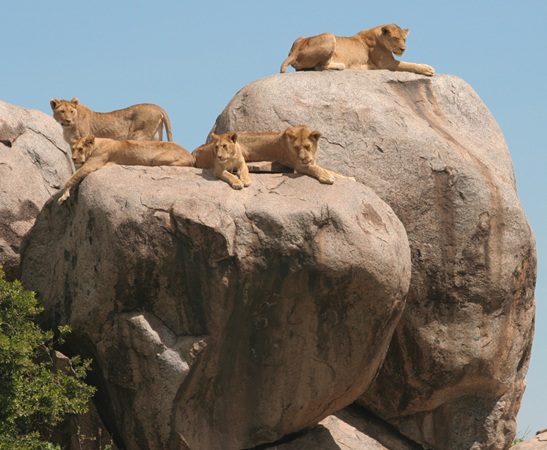
Open grasslands offer wide views of grazing herds and the predators that hunt them. Elsewhere, rocky outcrops called kopjes provide lookout spots for cats, while woodland and rivers draw different animals and birds. These varied habitats are part of what makes the park rewarding beyond its famous plains.
The central Seronera region is a popular base, while the Western Corridor and northern areas offer different routes and scenery. No area can guarantee a particular sighting. Check a current park map or TANAPA resource before planning daily drives, since the park is large and road conditions affect travel times.
Look for predators and grazing herds
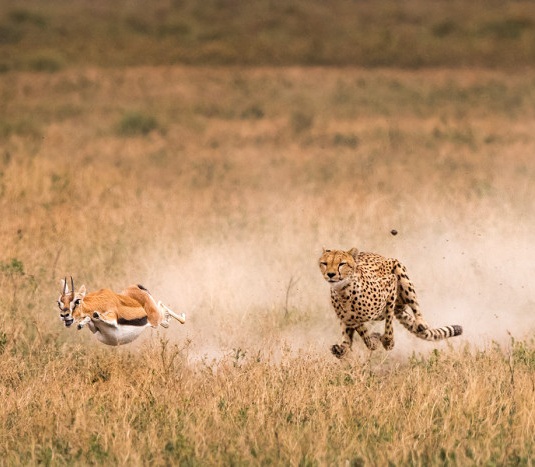
Lions, leopards, cheetahs, elephants, and giraffes are among the animals visitors hope to see. Large herds of wildebeest, zebra, and gazelles move through the wider Serengeti region, attracting predators. UNESCO describes the park as having a high concentration of wildlife and a large predator-prey system.
Sightings depend on animal movement, habitat, time of day, and luck. A guide may spot a leopard resting in a tree or a cheetah scanning open ground, but no schedule can promise either. Give each area time instead of racing from one hoped-for sighting to another.
Make time for birds
The park’s wetlands, rivers, grasslands, and woodlands support varied birdlife. UNESCO records more than 500 bird species in the park, some present year-round and others seasonally. That range gives birdwatchers plenty to look for between larger animal sightings.
Bring binoculars and ask your guide to help identify birds. A slower drive can reveal details that are easy to miss while searching for big game, such as birds near water or in the trees. Birdwatching is a useful part of a safari, not a backup plan
Follow the Great Migration in Serengeti National Park
Understand the migration’s scale
The Great Migration is the recurring movement of wildebeest and other grazing animals through the Serengeti region. This wider area crosses the national park’s boundaries and includes connected habitats in Tanzania and Kenya. UNESCO describes the migration as involving about two million wildebeest, along with hundreds of thousands of gazelles and zebras.
Rainfall and fresh grazing help shape where the herds move. Because rain varies from year to year, the timing and location can shift too. Treat seasonal patterns as a guide, not a fixed calendar.
Match your travel dates to your goals
Calving often takes place on the southern plains early in the year, while herds may move through the Western Corridor and into northern areas as the seasons change. These are broad patterns; the herds may arrive earlier or later depending on local conditions. A migration-focused trip may call for different dates and camps than a safari centred on a range of wildlife.
Before booking, check recent migration updates from reputable local operators. Ask where the herds have been seen lately and how long the camp’s drives will take to reach them. Avoid itineraries that promise a sighting on a specific date.
Treat river crossings as a possibility
River crossings can be dramatic, but they’re unpredictable. Herds may gather at the bank, wait for hours, turn back, or cross when visitors aren’t nearby. A crossing should be viewed as a possible highlight, not a guaranteed part of a safari.
If you do reach a crossing, follow your guide’s instructions and keep a respectful distance. Give the animals room to move, and don’t pressure a guide to break park rules for a closer view. Patience is part of watching wildlife responsibly.
Plan a Serengeti National Park safari around your needs
Compare dry- and green-season travel
Drier months can make animals easier to spot in some areas, while greener months bring fresh growth and lush scenery. Wildlife patterns, road access, and crowd levels vary by place and year, so no season is best for every traveller. Check current park information and ask local operators about conditions for your dates.
Consider what matters most to you: migration herds, birdlife, open views, or fewer vehicles at a sighting. Then choose a region and season that suit those goals. Recent reports are more useful than relying on a fixed month-by-month promise.
Allow time to cross the park
Travel between regions can take longer than a map suggests. Roads, weather, wildlife stops, and the park’s size all affect drive times. A rushed transfer can leave little time to enjoy the area you came to see.
Allow enough days to visit more than one region if your schedule and budget permit. Balance game drives with rest, especially when long drives connect camps. Your operator can help build a route that avoids spending most of the trip in a vehicle.
Choose a camp or lodge by location
Fixed lodges and camps stay in one place, which can suit travellers who want a steady base. Mobile camps may move with seasonal wildlife patterns, but the name alone doesn’t tell you how close the camp will be to the herds. Check its location and the areas it serves.
Before you book, confirm what the price includes, such as park fees, transfers, meals, and activities. Ask how you’ll reach the camp and whether the advertised location matches your intended safari area. Read the cancellation terms and confirm all details directly with the operator.
Best Time to Visit Serengeti
The best time to visit the Serengeti depends on the wildlife you want to see. June through October is dry, with short grass and good game viewing; the herds often cross the Grumeti and Mara rivers during these months. January and February bring wildebeest calving to the southern plains, where predators are also active. The long rains usually fall from March to May, making some roads muddy and travel less predictable. For fewer visitors and green scenery, consider November or early December, when brief rains often pass quickly.
Reaching There
You can reach Serengeti National Park through Kilimanjaro International Airport, then travel by road from Arusha, a drive of about seven to nine hours. Small charter flights from Arusha or Kilimanjaro land at airstrips inside the park, making them the quickest option. Other travelers fly into Seronera Airstrip from Zanzibar or other Tanzanian hubs. Road trips often enter through Naabi Hill Gate, though the best route depends on your lodge and the area you plan to visit.