5-Day Tanzania Trip to Tarangire, Serengeti & Ngorongoro Crater
A five-day safari in northern Tanzania is a great way to see some of Africa’s most famous wildlife. You might watch elephants wander through the baobabs in Tarangire, look for big cats and wildebeest on the Serengeti plains, and visit the Ngorongoro Crater, a one-of-a-kind wildlife hotspot.
Remember, this trip means long drives and early mornings, so it’s not the most relaxing getaway. Still, with some planning, you can see amazing landscapes and animals in just four days.
Why Visit These Three Parks?
Each destination offers a different safari experience:
- Tarangire National Park is known for its large elephant herds, ancient baobabs, and seasonal animal concentrations around the Tarangire River.
- Serengeti National Park is a vast ecosystem of grasslands, woodlands, and river valleys, famous for its predators and the Great Migration.
- Ngorongoro Crater is a large volcanic caldera whose varied habitats support abundant wildlife in a relatively compact area.
Together, the parks provide a strong overview of northern Tanzania’s ecological diversity. They are not interchangeable: following elephants along a river is very different from scanning open plains for a cheetah or exploring a crater floor.
Wildlife That You Can See.
These three destinations give you a great chance to see many of East Africa’s most famous animals, but no trip can promise you’ll spot every species.
- Elephants: Common in Tarangire, where seasonal water and vegetation can attract large numbers.
- Lions: Found in all three areas, though sightings depend on location and conditions.
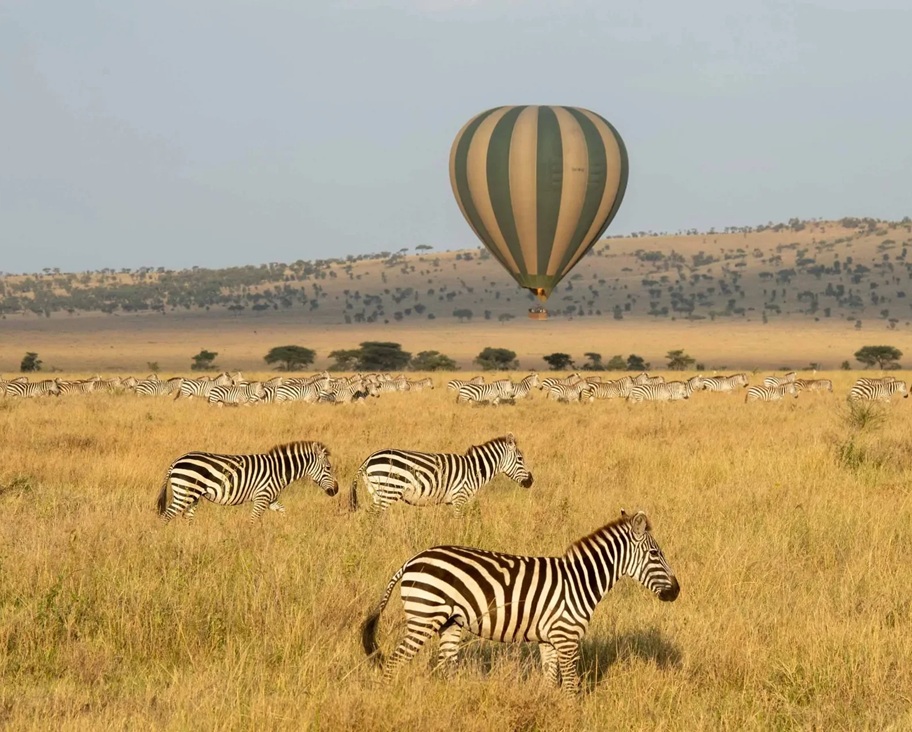
- Giraffes, zebras, and wildebeest: Seen across the route, with numbers and distribution changing seasonally.
- Leopards and cheetahs: Present in parts of the Serengeti, but often harder to spot.
- Black rhinos: Protected populations exist in the Ngorongoro area, though they can be difficult to find.
- Birdlife: The parks support a wide range of resident and migratory birds, from large raptors to colorful smaller species.
Our knowledgeable guide will help you identify animals, explain behavior, and interpret tracks and habitats. Give wildlife space, follow park rules, and avoid asking drivers to approach animals too closely.
A Detailed Tanzania Trip Itinerary
Exact routes depend on the season, accommodation, road conditions, and wildlife concentration. A common itinerary starts and finishes in Arusha, though some travelers finish near the crater or fly from the Serengeti.
Day 1: Arusha to Tarangire National Park
Start your day in Arusha and drive to Tarangire, which usually takes about two to three hours, depending on where you begin and the road conditions. Once you arrive, enjoy an afternoon game drive.
Tarangire is especially beautiful during the dry season, when animals gather around the park’s water sources. Elephants are a highlight, and you might also see giraffes, zebras, wildebeest, buffalo, antelope, and predators. The park’s baobab trees are not only a famous part of the scenery but also provide food and shelter for many animals.
You can spend the night in or near the park, with options to suit different budgets and comfort levels.
Day 2: Tarangire to the Serengeti
After breakfast, travel toward the Serengeti, typically passing through the Ngorongoro Conservation Area. This is a long transfer day; depending on the route, stops, and destination within the Serengeti, the drive can take several hours. Some itineraries include wildlife viewing along the way, but the day is still largely about reaching the park.
The Serengeti is enormous, so where you stay matters. The central Seronera area is a popular base because it has good wildlife viewing in many seasons and is relatively accessible. Camps farther north or south may be better positioned for particular migration movements, but require more travel time.
If you arrive with daylight remaining, enjoy an evening game drive before settling in for the night.
Day 3: Full Day in the Serengeti
Spend a full day in the Serengeti for more flexible wildlife viewing. Early morning and late afternoon are often productive, as temperatures are cooler and many animals are active. Your guide may follow tracks, scan open plains, or visit river areas and woodland depending on the season and recent sightings.
The Great Migration isn’t a single event in one fixed location. Wildebeest and zebra move across the ecosystem throughout the year in response to rainfall and grazing. Calving generally takes place in the southern Serengeti during the green season, while herds may travel north and west at other times. Animals may cross rivers along their route, but the timing is unpredictable, and sightings are never guaranteed.
The Serengeti also supports lions, leopards, cheetahs, hyenas, and many other species. Even without a migration spectacle, the park’s scale and diversity make a full day worthwhile.
Day 4: Serengeti to Ngorongoro
Start early for a morning game drive in the Serengeti to explore parts of the park you couldn’t visit the previous day. If you’re lucky, you may also spot animals you didn’t see the other day. At midday, return to camp for a hot lunch, then depart for the Ngorongoro Conservation Area. If you like, you may visit a Maasai boma in Ngorongoro for a cultural experience.
Spend the night in the accommodation located on the crater rim.
Day 5: Ngorongoro Crater and Return to Arusha
Descend early to the Crater floor for a game drive. The crater is roughly 20 kilometers across and is a collapsed volcanic caldera, not a conventional crater formed by a meteorite. Its enclosed landscape supports a rich mix of grassland, woodland, wetlands, and water sources.
Wildlife commonly seen on the crater floor includes zebras, wildebeest, buffalo, hippos, and lions. Black rhinos live in the area, but sightings are not assured. The crater’s dense wildlife and dramatic scenery make it a memorable final safari stop.
After the game drive, travel back to Arusha. This is another substantial driving day, so confirm the schedule with your operator—particularly if you have a flight or other connection.
Safari Cost Includes
- Transport in a 4x4 Safari vehicle with a pop-up roof.
- Service of a professional driver-guide
- Full board accommodation with three meals a day
- Park fees
- All Park expenses
- Bottled mineral water
Excludes
- Visa Upon Arrival; please click here for more details
- Tips for the Staff
- We recommend $25 a day for the guide and $15 a day for the cook
- All personal items for your trip
The Best Time To Visit
Tanzania’s safari seasons influence scenery, road conditions, and wildlife distribution.
- Dry season, generally June to October: Sparse vegetation and reduced surface water can make some animals easier to spot, particularly around water sources. It is also a popular time to travel.
- Green season, generally November to May: Landscapes are often greener, and some areas are especially good for birding. Short rains and longer rains vary by year, and rainfall can affect road conditions and travel times.
- Migration viewing: The herds move in response to rainfall, so their location changes. Ask an operator where they expect them to be during your travel dates, but treat any prediction as an estimate, not a promise.
These are broad seasonal patterns, not fixed guarantees. Local weather can vary from year to year, and different parts of the ecosystem may experience different conditions