+255(0) 784 383 262 / 754 383 262 info@jntraveltours.com

3-Day Tarangire, Ngorongoro Crater and Lake Manyara Safari

Three days in northern Tanzania can take you from baobab-studded savannah to a vast volcanic crater and the groundwater forests of the Rift Valley. Tarangire National Park, the Ngorongoro Crater and Lake Manyara National Park each offer a distinct landscape and wildlife experience. Together, they make a compact safari route for travelers who want to see varied habitats and have a chance of spotting many of East Africa’s best-known animals.

This itinerary is a starting point, not a guarantee of what you will see. Wildlife sightings depend on season, weather and luck, and park conditions can affect driving times. A local guide can help adapt the schedule while respecting park rules and wildlife.

Highlights


  • Best suited to: Travelers with limited time who want to visit three major northern Tanzania destinations.
  • Typical starting point: Arusha, with the route generally continuing west toward the Ngorongoro Conservation Area and then north or east, depending on the final itinerary.
  • Main highlights: Tarangire’s elephants and baobabs, Ngorongoro’s crater-floor wildlife, and Lake Manyara’s varied habitats and birdlife.
  • Important planning note: Three days is a fast-paced trip. Confirm driving times, park opening hours, accommodation locations and fees with your operator before booking.
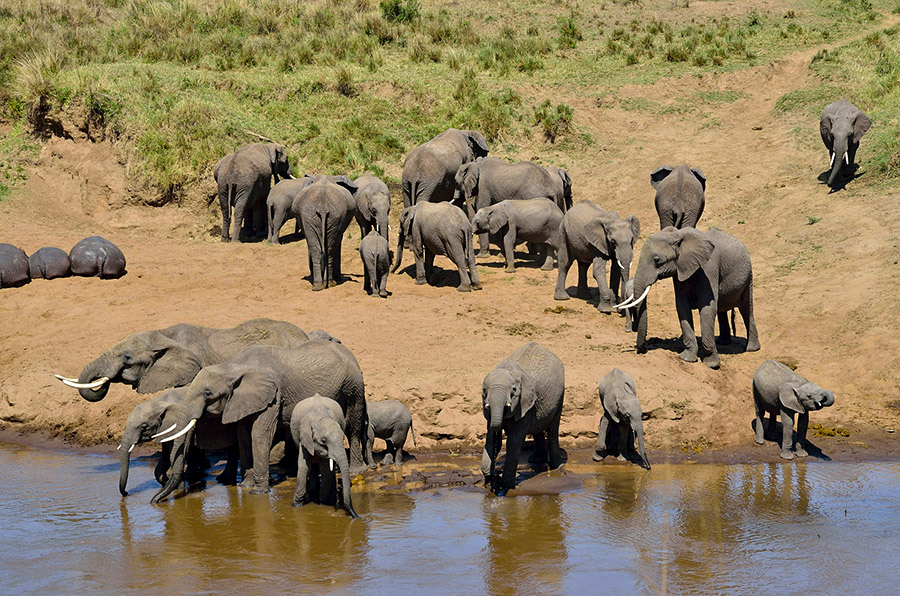
Tarangire Safari Tanzania

Safari Itinerary 

Day 1: Tarangire National Park

Leave Arusha early to allow enough time for the drive and park entry. You’ll spend most of the day on a guided game drive, with stops at good spots for a picnic lunch. In the late afternoon, head to your accommodation, either close to the park or a bit farther out, depending on where you are headed next.
It’s better to spend a full day in Tarangire instead of just making a quick stop. The park is big, and animals live in different areas. Your guide will plan the route based on recent animal sightings, road conditions, and how much time you have.
Tarangire stands out for its dry landscapes, huge baobab trees, and large elephant herds. The Tarangire River is especially important during the dry season, when water is scarce. During that time, animals often gather near the river and other water sources, so you may spot more wildlife there.
Elephants are some of Tarangire’s most famous animals, but you can also spot giraffes, zebras, wildebeest, buffalo, impalas, and several predators. What you see depends on where you are and the time of year. Lions live in the park, but leopards and cheetahs are harder to spot and may not be seen at all.
Tarangire is also a great place for birdwatchers. The park’s varied habitats support many bird species, from large ground birds to bright woodland species. If you have binoculars, bring them along, and don’t hesitate to ask your guide to help you spot or identify birds you don’t recognize.

Day 2: Ngorongoro Conservation Area and the crater

Depart early from your accommodation for the Ngorongoro Conservation Area, with a picnic lunch. Stop briefly at the crater viewpoint to enjoy an amazing view before driving down to the crater floor. An early start is usually important. It helps you make the most of your permitted time and can reduce the chance of spending the day in heavy traffic at popular viewing areas.
The Ngorongoro Crater is a large volcanic caldera within the Ngorongoro Conservation Area, a protected landscape that also includes highlands and areas used by pastoral communities. The crater is not a separate national park. Its enclosed grasslands, wetlands, woodland and water sources support a high concentration of wildlife, making it one of Tanzania’s most celebrated safari destinations.
A game drive on the crater floor may offer opportunities to see zebra, wildebeest, gazelles, buffalo, hippos and several predator species. The crater is also one of the places where visitors can see black rhinos, although sightings are not guaranteed and the species remains threatened.
The crater’s varied habitats add to its appeal. Open grassland, swamps, lakes, and wooded areas each attract different animals and birds. Your knowledgeable guide will explain how the landscape shapes wildlife behavior and why certain species are more likely in particular areas.

Day 3: Lake Manyara National Park

Have breakfast at the lodge, then depart with a picnic lunch for a half-day game drive in Lake Manyara National Park. Spend the day exploring the park’s changing habitats, spotting wildlife, and enjoying a picnic lunch with panoramic views of the lake.
Lake Manyara sits beneath the western escarpment of the Great Rift Valley. Although the lake itself is a major feature, the park also includes groundwater forest, open woodland, grassland, and marshy areas. This range of habitats creates a different feel from both Tarangire and the Ngorongoro Crater.
Near the park entrance, groundwater forests can feel cool and shaded, with dense vegetation and tall trees. Further into the park, the scenery opens up toward grassy plains and the lake shore. Depending on water levels and the season, the lake may attract large numbers of waterbirds, including flamingos and pelicans. Bird numbers and visibility can change considerably, so don’t treat a large gathering as guaranteed.
Lake Manyara is also known for its tree-climbing lions. The behavior is unusual, but sightings are not certain. Visitors may also see elephants, giraffes, baboons, hippos, and a variety of antelope and birds.
After the drive, return to Arusha, where you will be dropped off at your hotel or airport for your onward flight to another destination or back home.

Safari Includes

  • Park Entrance fees
  • All activities as mentioned on the Itinerary
  • Full board accommodation
  • Transportation on 4x4 Land cruiser
  • All Taxes/VAT
  • Service of the English Speaking Driver Guide
  • Pure drinking water 

Excludes

  • Additional accommodation before and at the end of the tour
  • Tips
  • Personal items (Souvenirs, travel insurance, visa fees, etc.)
  • Government imposed increase of taxes and/or park fees 
  • VISAs

The Best Season To Visit

You can visit Northern Tanzania year-round, but weather and wildlife patterns change with the seasons.

  • During the dry season, roads are usually easier to travel, and animals often gather near water sources, especially in areas like Tarangire. However, the timing and length of the dry season can change from year to year.
  • In the green season, rain turns the landscape lush and green, making it a great time for birdwatching. Some roads can be harder to drive on, and spotting animals may be more difficult because of the thick vegetation.

Season timing and wildlife activity can change each year. Check local conditions just before your trip instead of relying only on a set calendar.

    The best time to visit really depends on what matters most to you, whether that’s seeing wildlife easily, enjoying birdlife, experiencing green scenery, avoiding crowds, or capturing a certain style of photos.